Neurofeedback
A personalized approach to brain training.
Experience neurofeedback from the comfort of your home, using compatible equipment and professional guidance.
Following an appropriate assessment, we explore an individualized training approach, with ongoing monitoring and support.
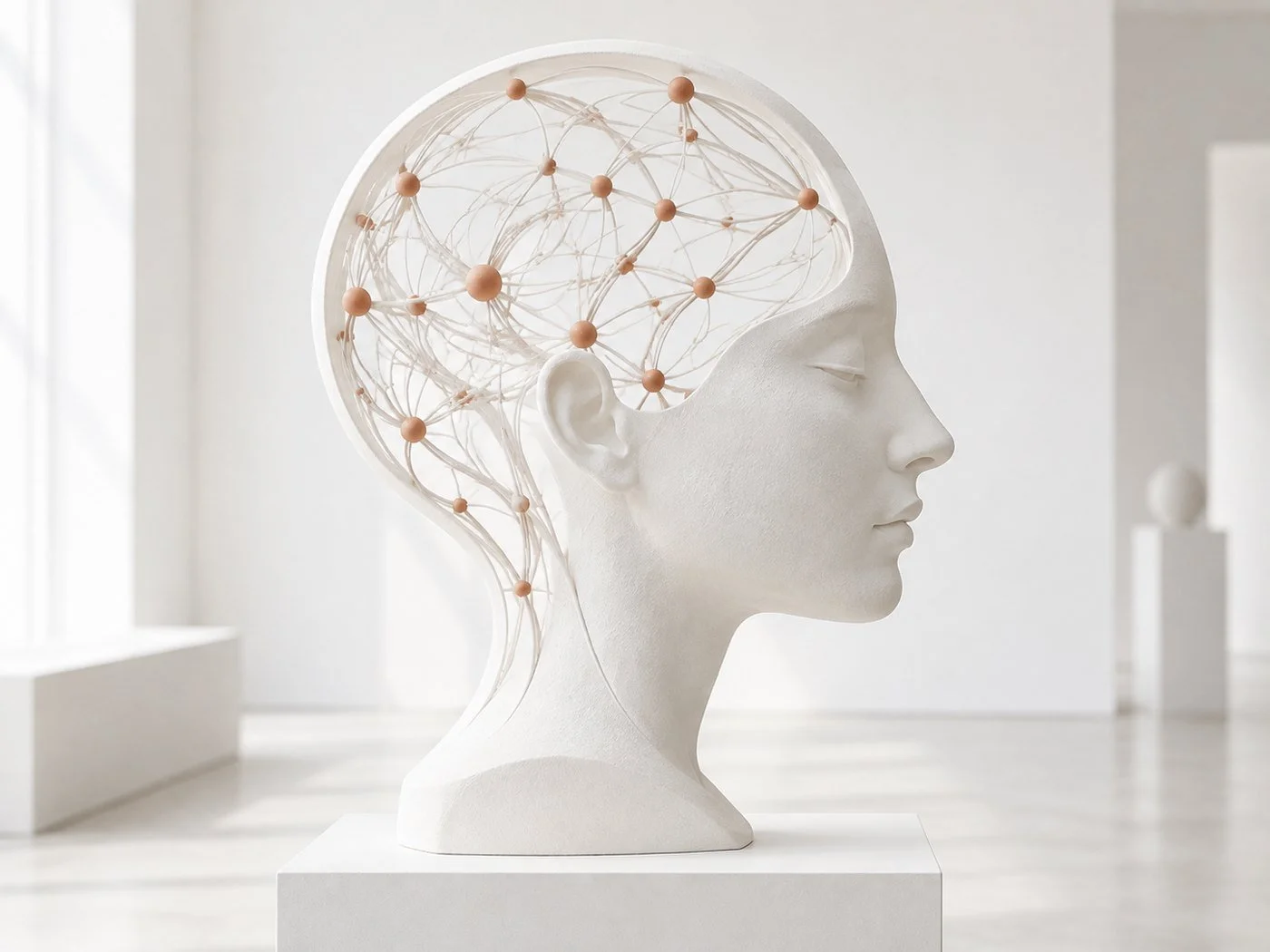
What if brain training could fit into your life?
I know that even when someone is interested in getting support, finding the time to travel to appointments can be challenging.
One of the things I appreciate about at-home neurofeedback is that it offers a different possibility.
With appropriate equipment, a personalized training plan, and professional guidance, you can participate in neurofeedback sessions from the comfort and privacy of your own home.
You are not simply handed a device and expected to figure everything out on your own.
My role is to help assess your needs, guide your training plan, monitor your experience, and make adjustments when appropriate.
What is neurofeedback?
Neurofeedback is a form of biofeedback that uses information about brain activity to provide feedback during training.
Using compatible sensors and software, the system measures aspects of brainwave activity and gives feedback through a training experience.
Over time, the purpose is to practice patterns of self-regulation through that feedback.
It is noninvasive brain training, not a procedure that sends electrical stimulation into the brain.
Different neurofeedback methods and protocols are designed for different goals, and suitability and outcomes vary.
Why explore neurofeedback?
People may become interested in neurofeedback because they want to explore challenges related to stress, attention, sleep, or emotional regulation.
Perhaps you’re having difficulty settling at night.
Perhaps you’re feeling overwhelmed or have trouble maintaining focus.
Perhaps you’re curious about whether guided brain training could be a useful addition to your broader wellness or care plan.
Those concerns can be starting points for a conversation—not promises that neurofeedback will resolve a particular condition.
My approach is to explore your goals, discuss what the method can and cannot reasonably offer, and determine whether this type of training may be suitable for you.
How at-home neurofeedback works
First, we explore your goals.
We begin with an appropriate assessment and a discussion of your concerns, expectations, and suitability for neurofeedback.
Next, we arrange compatible equipment.
You purchase the compatible EEG cap, headset, or other required equipment directly from the appropriate supplier.
Then, we develop a personalized training approach.
I use the capabilities of the Divergence Neuro platform to work with training protocols suited to the goals identified through the assessment.
Protocols may be adjusted over time in response to the available data, your experience, and professional judgment.
You train from home.
The compatible equipment and application allow you to complete assigned training sessions from home.
We review and adjust.
I provide ongoing guidance and monitoring, reviewing progress and making appropriate changes to the training approach.
I want this to feel like a supported process, not another complicated piece of technology you have to manage alone.

Equipment and professional fees
Compatible neurofeedback equipment is purchased separately from the supplier.
My professional services, including assessment, individualized training guidance, and ongoing monitoring, are billed separately.
Neurofeedback questions
Can I do this entirely from home?
The training is designed to be completed at home with compatible equipment and remote professional guidance, subject to assessment, technical suitability, and any applicable professional requirements.
Do I have to know anything about neurofeedback?
No technical background is necessary to begin a conversation about whether this approach is appropriate. We can explain the process and the equipment before you decide.
Can protocols be individualized?
Yes. Divergence Neuro supports clinician-managed protocols and remote monitoring. The selection and adjustments should be guided by an appropriate assessment rather than a one-size-fits-all approach.
Will it help my sleep or emotional regulation?
These may be reasons people explore neurofeedback, but results are not guaranteed. Research findings vary by method, condition, and individual. People explore neurofeedback for many reasons, including sleep, attention, stress, and emotional regulation. Each person’s experience is different, and results cannot be guaranteed. We can begin by discussing your goals and whether this approach may be appropriate for you.
How long does it take?
That depends on the goals, training approach, and individual response. Everyone responds differently. The number of sessions depends on your goals, your training plan, and how you respond along the way. We can discuss a realistic approach after your initial assessment.
Professional guidance. Personalized training. Your own space.
We’ll begin by discussing your goals, reviewing whether neurofeedback is suitable for you, and considering what an individualized training plan could look like.
Ask About At-Home Neurofeedback